Exploring the Legacy of the FJ60 and FJ62 Toyota Land Cruiser: Rust Issues and Restoration Tips

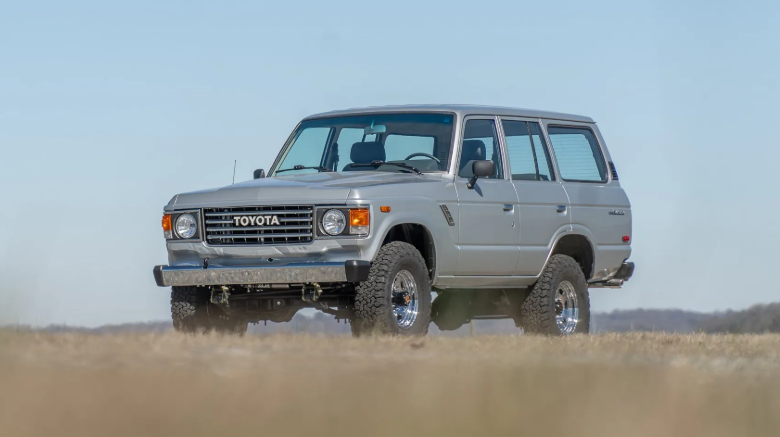
The Toyota Land Cruiser has long been celebrated for its durability, off-road capability, and timeless design. Among the most iconic models are the fj60 toyota land cruiser and fj62 toyota land cruiser, which have become collector favorites due to their reliability and classic styling. However, like any aging vehicle, these models are not immune to the challenges of corrosion and wear, making knowledge about rusty land cruiser issues and proper maintenance essential for enthusiasts and owners alike.
Understanding the Differences Between FJ60 and FJ62 Toyota Land Cruisers
The fj60 toyota land cruiser and fj62 toyota land cruiser share many similarities, but key differences make each model unique. For a detailed comparison of these two legendary vehicles, check out this fj60 toyota land cruiser guide. The FJ60, produced from 1980 to 1987, is known for its boxy design, solid axles, and simplicity, making it easier to maintain. Meanwhile, the FJ62, introduced in 1988 and produced until 1990, offered a slightly more refined interior, coil spring suspension in the rear, and additional comfort features.
Despite these upgrades, both models share a common concern among vintage Land Cruiser enthusiasts: the threat of fj cruiser rust.
Common Rust Problems in Vintage Land Cruisers
Vulnerable Areas in the FJ60 and FJ62
Even though Toyota vehicles are renowned for their durability, the fj60 toyota land cruiser and fj62 toyota land cruiser are prone to corrosion in specific areas. Key zones to inspect include:
- Wheel arches and fender flares
- Rocker panels along the sides of the vehicle
- Floor pans and underbody
- Tailgate and rear corners
These areas are particularly susceptible due to exposure to road salt, moisture, and off-road debris, which can accelerate the formation of a rusty land cruiser.
See also: How Workflow Automation Software Can Standardize Your Business Processes
Identifying FJ Cruiser Rust Early
Early detection of fj cruiser rust is critical for preventing costly repairs. Owners should watch for bubbling paint, discoloration, and rough textures on metal surfaces. Regularly cleaning and inspecting the undercarriage can catch rust before it compromises structural integrity.
Restoration Tips for Rusty Land Cruisers
Rust Removal Techniques
For a rusty land cruiser, several restoration methods can help restore its original strength and appearance:
- Mechanical removal using wire brushes, sanding, or grinding
- Chemical rust converters that neutralize oxidation
- Sandblasting for thorough cleaning of hard-to-reach areas
After removing rust, applying high-quality primer and protective paint ensures long-term durability.
Preventive Measures
Once a fj cruiser rust issue has been addressed, preventative measures help maintain the vehicle’s longevity:
- Regular undercarriage washing, especially after winter or off-road use
- Application of rust-proof coatings or undercoating sprays
- Keeping the vehicle dry and avoiding prolonged exposure to moisture
These steps are essential for both the fj60 toyota land cruiser and fj62 toyota land cruiser, particularly for those used in regions with harsh winters or humid climates.
Maintaining the Value of FJ60 and FJ62 Land Cruisers
Collectibility and Market Demand
The fj60 toyota land cruiser and fj62 toyota land cruiser have seen a resurgence in popularity among collectors and off-road enthusiasts. Maintaining a rust-free exterior significantly boosts resale value and collector interest. Vehicles that have undergone proper restoration, with attention to fj cruiser rust, tend to command higher prices in the vintage SUV market.
Practical Tips for Long-Term Maintenance
- Store vehicles indoors or in a covered garage to reduce moisture exposure
- Inspect and replace worn seals and gaskets to prevent water ingress
- Regularly lubricate door hinges, suspension components, and other metal parts
Proactive maintenance minimizes the risk of developing a rusty land cruiser over time.
Modern Upgrades for Classic Land Cruisers
While preserving originality is key for collectors, some owners of the fj60 toyota land cruiser and fj62 toyota land cruiser choose to incorporate modern upgrades. These may include:
- Stainless steel or aluminum replacement panels to resist fj cruiser rust
- Improved underbody coatings and rust prevention treatments
- Upgraded suspension components and brake systems for daily usability
Balancing restoration with practical upgrades allows enthusiasts to enjoy these classic vehicles while protecting against corrosion.
Conclusion
Owning a fj60 toyota land cruiser or fj62 toyota land cruiser is a rewarding experience, combining timeless design with unmatched off-road capability. However, the threat of fj cruiser rust and general wear makes understanding and addressing rusty land cruiser issues vital for long-term enjoyment. Regular inspections, timely rust treatment, and preventive care ensure these legendary SUVs remain reliable, aesthetically appealing, and valuable collector vehicles for decades to come. Maintaining these iconic models properly allows enthusiasts to preserve a piece of automotive history while enjoying a classic Toyota Land Cruiser experience.