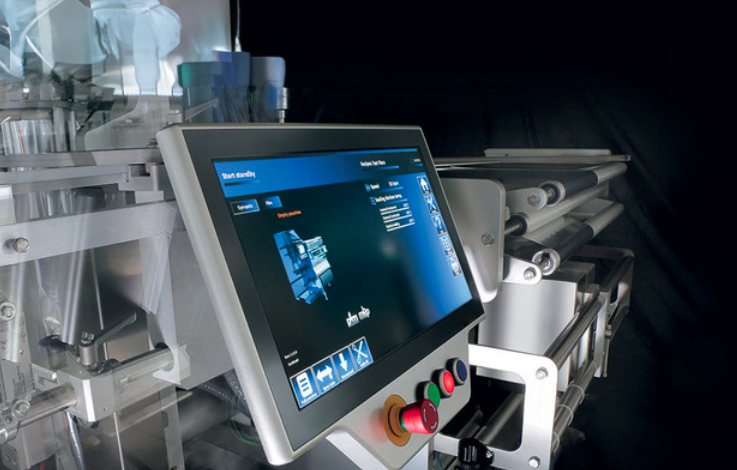
In harsh field environments, information still needs to be clear, fast, and reliable. Dust, vibration, extreme temperatures, moisture, and rough handling do not care how critical your mission is. If your display fails, operators lose visibility, and decisions slow down. This is why ruggedized military rackmount displays are so important.
These displays bridge the gap between delicate electronics and unforgiving conditions. In this guide, we will look at what makes a display truly rugged, where these units are used, and what to consider when choosing one. Throughout, we will also mention how a specialist like Rackmountsales can help you match the right hardware to your mission profile.
What Is a Ruggedized Military Rackmount Display
A ruggedized military rackmount Display is an LCD or panel that is designed to be installed in a standard rack, usually 19 inches, but built specifically to handle military and industrial conditions.
Unlike basic commercial displays, these units are engineered for
- Wide operating temperature ranges
- Resistance to shock and vibration
- Protection from dust, moisture, and sometimes salt fog
- Reliable performance around the clock
They are commonly used in
- Mobile command posts
- Tactical shelters
- Naval and shipboard environments
- Vehicle mounted and airborne systems
In all of these cases, a normal office grade monitor simply would not survive for long.
Key Environmental Challenges in Harsh Field Environments
Before we talk about design features, it helps to understand the challenges these displays must handle.
Temperature extremes
In the field, equipment may be exposed to
- High heat in desert or tropical climates
- Low temperatures in arctic or high altitude conditions
Ruggedized military rackmount displays are rated to work reliably across a wide temperature range so that critical information remains visible even when the environment is far from comfortable.
Shock and vibration
Many field deployments involve movement and impact.
- Vehicle mounted systems experience constant vibration and occasional jolts
- Shipboard systems deal with engine vibration and wave action
- Tactical shelters may be transported and repositioned frequently
A rugged display must handle all of this without flickering, loosening connectors, or failing internally.
Dust, moisture, and salt
Outdoor and semi outdoor environments bring
- Dust and sand that can infiltrate electronics
- Moisture and humidity that can cause condensation
- Salt fog in maritime and coastal deployments that can promote corrosion
Ruggedized displays use sealing, coatings, and carefully chosen materials to resist these elements.
Design Features That Make Military Rackmount Displays Rugged
Ruggedization is more than a marketing label. It comes from specific design choices.
Reinforced mechanical construction
Rugged military rackmount displays include
- Strong metal chassis and frames
- Reinforced mounting points for rack installation
- High quality fasteners and brackets
This helps prevent damage during installation, transport, and operation in high vibration environments.
Environmental sealing and protection
To resist dust and moisture, rugged displays often feature
- Gaskets and seals around bezels and access panels
- Filtered ventilation paths or minimal open vents
- Optional conformal coating on internal circuit boards
These protections allow the display to operate in conditions that would quickly damage standard office monitors.
Extended temperature components
Rugged displays use components that are rated for
- Wider operating temperature ranges
- Better thermal behavior under continuous load
Proper thermal design, including heat sinks and controlled airflow, helps maintain stable performance over long missions.
Vibration and shock resistance
To handle vibration and shock, rugged rackmount displays may include
- Internal supports for the LCD panel and electronics
- Shock absorbing mounts or hardware
- Secure locking connectors for power and signal cables
These measures keep the display intact and connected even when the environment is physically rough.
Use Cases for Ruggedized Military Rackmount Displays
Ruggedized displays show up in a wide range of military and defense applications.
1. Mobile command vehicles
In armored command vehicles and mobile operations centers, space is tight and conditions are demanding.
Rugged rackmount displays are used for
- Situational awareness maps and tracking
- Video feeds from sensors and cameras
- Communication and coordination interfaces
The rackmount form factor keeps everything organized inside the vehicle while the rugged design handles constant motion.
2. Shipboard and naval operations
Naval environments combine vibration, salt, humidity, and limited space.
Rugged military rackmount displays support
- Combat information centers
- Navigation and radar workstations
- Machinery control rooms
Corrosion resistant materials and environmental protections are critical here. A specialist like rackmountsales can provide displays suited for marine and naval use.
3. Tactical shelters and field headquarters
Deployable shelters and field headquarters rely on equipment that can be transported, set up, and used many times.
Rugged rackmount displays are ideal because they
- Fit into standardized racks for easy packing and setup
- Withstand transport shocks and frequent movement
- Operate reliably even when conditions are dusty, hot, or cold
4. Air operations and ground support
Air operations centers and ground support facilities often use rugged displays for
- Airspace monitoring
- Mission planning and execution
- Communications and air tasking orders
Even when located in semi permanent buildings, these centers can face harsh local conditions, making ruggedization a smart choice.
See also: Why Technology Literacy Is the New Essential Skill
Visual Performance Requirements in the Field
Ruggedness alone is not enough. The display must also be clear and easy to read in real operational conditions.
Sunlight readability and brightness
In some command posts and vehicle bays, ambient light can be very bright.
Rugged military rackmount displays may include
- High brightness backlights
- Anti reflective or anti glare coatings
- Wide viewing angles
These features help ensure that operators can see critical information without straining.
Resolution and screen size
Depending on the application, you may need
- Larger screens for multi window displays or map views
- Higher resolution for detailed imagery or video feeds
Rugged rackmount displays are available in multiple sizes and resolutions, allowing you to match the display to the mission need.
Connectivity and Integration
Ruggedized military rackmount displays must integrate cleanly with a variety of systems.
Common requirements include
- Support for multiple video inputs such as VGA, DVI, HDMI, DisplayPort, or legacy signals
- Options for touch input so operators can interact directly with the screen
- Compatibility with existing rackmount servers, KVM switches, and video distribution hardware
Providers like rackmountsales often offer flexible input options and custom configurations so that the display fits smoothly into your overall system design.
Standards and Testing
Many rugged military displays are designed with reference to military and industrial standards such as
- MIL STD 810 for environmental testing
- MIL STD 461 for EMI and EMC performance
While not every project needs full certification, these standards provide useful benchmarks for environmental resilience.
When evaluating a display, it is worth asking
- What tests have been performed
- What environments it is rated for
- Whether test results or certifications are available
Choosing the Right Rugged Rackmount Display
If you are planning a system for harsh field environments, here are some practical tips when selecting a rugged military rackmount display.
- Define the environment clearly
- Temperature extremes expected
- Shock and vibration sources
- Presence of dust, moisture, or salt
- Identify mission critical visual needs
- Required screen size and resolution
- Need for sunlight readable or night vision compatible displays
- Touch interaction versus keyboard and mouse
- Check integration and power
- Video input format and compatibility
- Power input requirements and tolerance
- Space and depth available in the rack
- Evaluate support and lifecycle
- Availability of long term supply
- Warranty and repair options
- Documentation and integration support
Working with a specialist such as rackmountsales can help you align these factors with specific models and configurations.
Benefits of Ruggedized Military Rackmount Displays
Investing in rugged displays brings several important benefits in harsh environments.
- Higher reliability under conditions that would quickly damage commercial monitors
- Reduced downtime and fewer mission interruptions due to display failure
- Better operator performance thanks to clear, readable visuals in real conditions
- Simplified deployments due to standardized rackmount form factors
These advantages support overall mission readiness and reduce long term maintenance and replacement costs.
Final Thoughts
Harsh field environments will always be challenging, but your display hardware does not have to be a weak point. Ruggedized military rackmount displays are built specifically to handle the temperature swings, shock, vibration, dust, moisture, and corrosion that come with real world deployments.
By focusing on environmental requirements, integration needs, and visual performance, and by partnering with experienced providers like rackmountsales, you can choose displays that keep vital information visible when it matters most.
In missions where every decision counts, a reliable rugged rackmount display is not just a convenience. It is a critical part of the system that helps keep people informed, coordinated, and safe.