You’re ready to take the next step.
You’ve faced the questions, done the research, and decided that IVF might be the right path. But now comes one of the most important and overwhelming decisions of all: choosing the right IVF doctor.
In a city like Noida, filled with fertility clinics and specialists, how do you know which doctor is truly the best for you? After all, it’s not just about credentials, it’s about trust, communication, success rates, and that gut feeling that you’re in good hands.
In this blog, we walk you through a clear, step-by-step guide to help you choose the best ivf doctor in noida, someone who not only understands your body but also your journey. Along the way, we’ll also touch on related conditions like fallopian tube blockage symptoms, which are often an early indicator for needing fertility intervention.
Let’s break it down.
Step 1: Understand Your Specific Fertility Needs
Before you start scanning clinic websites or asking for recommendations, take a moment to understand what your body needs.
- Have you been diagnosed with PCOS, endometriosis, or fallopian tube blockage symptoms?
- Is male infertility part of the equation?
- Are you considering egg freezing or donor options?
Knowing your fertility profile helps you narrow your search to IVF doctors who specialize in cases like yours. For instance, the ivf doctor in noida for someone with repeated implantation failure may differ from the best choice for someone needing tubal surgery.
Tip: Request your full fertility test reports before consultations. A good doctor will appreciate your preparedness.
Step 2: Look for the Right Qualifications & Experience
Not all IVF doctors are created equal. Some may be obstetricians with limited IVF exposure, while others are reproductive endocrinologists with years of fertility-specific expertise.
Here’s what to look for:
- MD/MS in Obstetrics & Gynaecology, with specialization in reproductive medicine
- Fellowship in IVF or ART (Assisted Reproductive Technology)
- 10+ years of experience handling diverse IVF cases
- Case studies involving patients with fallopian tube blockage symptoms, hormonal disorders, or poor ovarian response
Top fertility specialists often publish their success rates and case studies, use that information wisely.
Step 3: Evaluate the Clinic, Not Just the Doctor
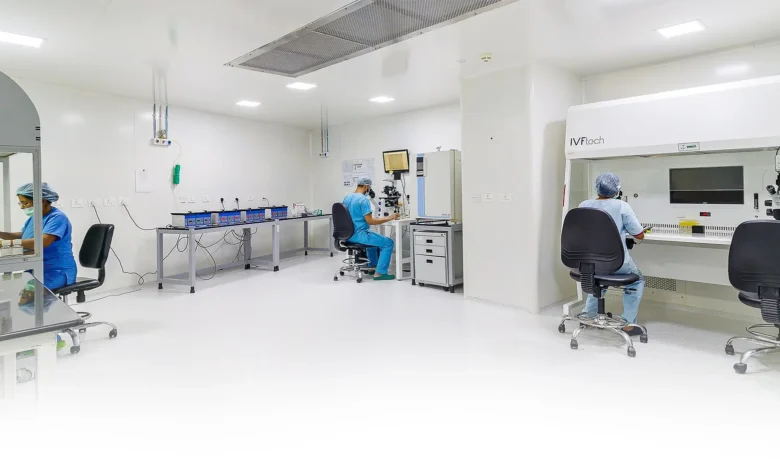
While the doctor leads your treatment, their support system matters just as much. A state-of-the-art clinic with a competent embryology team and modern lab facilities can make a big difference.
Look for:
- ICMR registration
- In-house embryology lab
- Access to techniques like PGT-A, ERA, and hysteroscopy
- Prevalence of treated cases with conditions like fallopian tube blockage symptoms
- Transparency in success rates, ideally broken down by age group
The ivf doctor in noida will usually be associated with a high-performing clinic that prioritizes data-driven results and emotional care.
Step 4: Ask the Right Questions During Your First Visit
This is your moment to interview them. Don’t hesitate to ask:
- How many IVF cycles have you handled this year?
- What’s your approach to failed IVF cycles?
- How do you manage cases with fallopian tube blockage symptoms or uterine abnormalities?
- Do you offer counseling or support groups?
- What are the cost breakdowns for different services?
A confident, compassionate doctor will answer every question with clarity and respect.
Read Also: The Influence of Technology on Globalization
Step 5: Check Reviews, But Read Between the Lines
Patient testimonials are powerful, but not all of them are honest or contextually accurate. Instead of looking at only 5-star ratings, dig deeper.
- Read patient stories involving similar conditions (like fallopian tube blockage symptoms).
- Look for patterns in feedback: is the doctor known for empathy, or just results?
- Pay attention to how staff, waiting time, and post-cycle care are described.
The best ivf doctor in noida will have earned loyalty not just through successful pregnancies, but through support during setbacks too.
Step 6: Observe the Doctor’s Communication Style
You’ll be working with this doctor for months, maybe even longer. Your comfort matters.
- Are they listening without rushing?
- Are they explaining your reports in simple terms?
- Do they make you feel judged or supported?
When dealing with sensitive issues like fallopian tube blockage symptoms or unexplained infertility, trust is everything. Choose someone who makes you feel heard and respected.
Step 7: Understand the Success Rate, With Context
Success rate alone isn’t the holy grail. A clinic with a 60% success rate may actually turn away difficult cases. One with a 40% rate may treat complex ones like low ovarian reserve or fallopian tube blockage symptoms.
Ask:
- What’s your success rate for women over 35?
- How many successful pregnancies resulted from frozen embryo transfers?
- How do you define “success”, clinical pregnancy, or live birth?
The best doctor in noida will give you honest, data-backed answers, not just marketing numbers.
Step 8: Get a Second Opinion (It’s Okay!)
It’s your body, your journey, and your finances. If something doesn’t sit right, don’t hesitate to get a second opinion from another highly-rated IVF specialist. Sometimes, different doctors spot different issues, from sperm DNA fragmentation to undiagnosed fallopian tube blockage symptoms.
You owe it to yourself to explore all the answers.
Final Thoughts: Your IVF Journey Deserves the Best
Finding the best ivf doctor in noida is a deeply personal decision. It’s not just about lab equipment or online reviews, it’s about feeling seen, supported, and guided at every step.
Whether you’re facing hormonal issues, low AMH, or fallopian tube blockage symptoms, the right doctor will make the process feel less daunting and more hopeful. Trust your instincts, ask the hard questions, and remember, every great success story begins with a single, informed choice.
FAQs
Q1: How do I know if my fallopian tubes are blocked?
Common fallopian tube blockage symptoms include pelvic pain, irregular periods, or difficulty conceiving after 12+ months. An HSG or sonosalpingography test can confirm it.
Q2: Can I still do IVF if I have blocked fallopian tubes?
Yes. IVF bypasses the fallopian tubes entirely. Many patients with fallopian tube blockage symptoms have successful pregnancies through IVF.
Q3: What makes a doctor the “best ivf doctor in noida”?
Look for experience, empathy, transparent success rates, and specialization in complex cases like PCOS, recurrent miscarriage, or blocked tubes.
Q4: Is IVF painful or risky?
IVF involves controlled hormone stimulation and minor procedures, which may cause temporary discomfort. Risks are minimal under expert care.
Q5: Should I prioritize cost or doctor experience?
Both matter,but choosing a less experienced doctor to save costs may reduce your chances. Long-term success depends more on medical precision than budget shortcuts.